On microfat (or microfragmented adipose tissue) is an interventional medicine option using the patient's own fatty tissue, aiming to modulate the inflammatory environment and improve pain and function in selected cases.
Microfat undergoes mechanical microfragmentation that preserves components of the extracellular matrix, along with perivascular and mesenchymal cells from adipose tissue, allowing administration at the selected site.
What is its role in Orthopedics, Rehabilitation and Sports Medicine?
Its role as biological support and a modulator of the inflammatory environment in joints and tendons is being studied. Applications include:
- Osteoarthritis and cartilage conditions: it has been studied mainly in the knee, with favorable pain and function results in some studies and variable findings across research. Use in the hip, ankle and shoulder requires individual assessment.
- Chronic tendinopathies: it is being investigated as an option for tendon injuries, such as supraspinatus, patellar, Achilles and elbow tendons, that persist despite other treatments.
- Musculotendinous and ligament injuries: its potential to support repair processes in sports injuries is being investigated.
- Delayed tissue healing: its use and mechanisms related to blood vessel formation and cellular activity remain under investigation.
Operating Room Procedure and Recovery
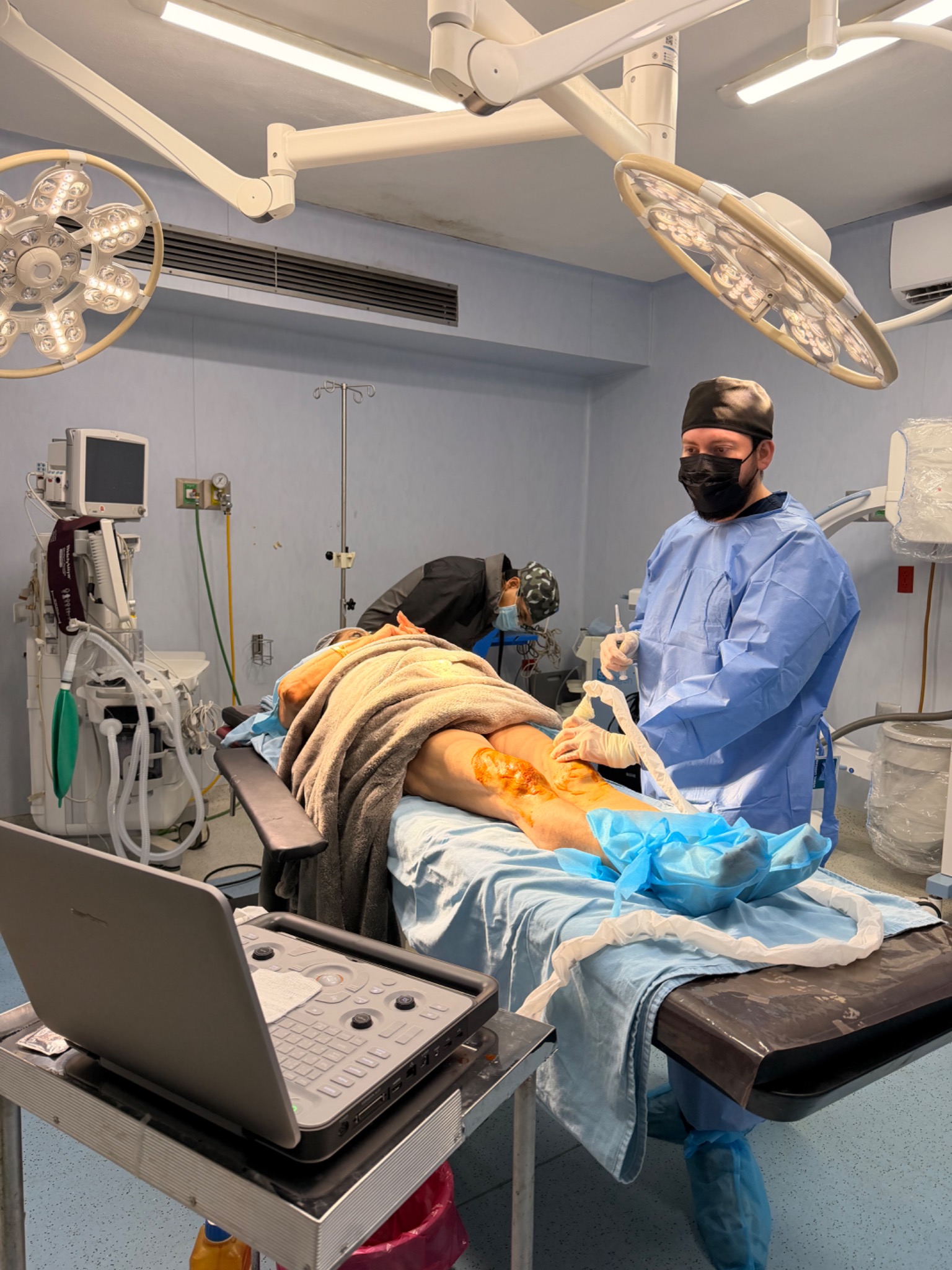
Microfat treatment is usually performed as an outpatient procedure in a prepared environment under sterile conditions.
- Tissue collection: under anesthesia selected for the case, a small amount of fatty tissue is aspirated, usually from the abdomen or flanks, using a cannula.
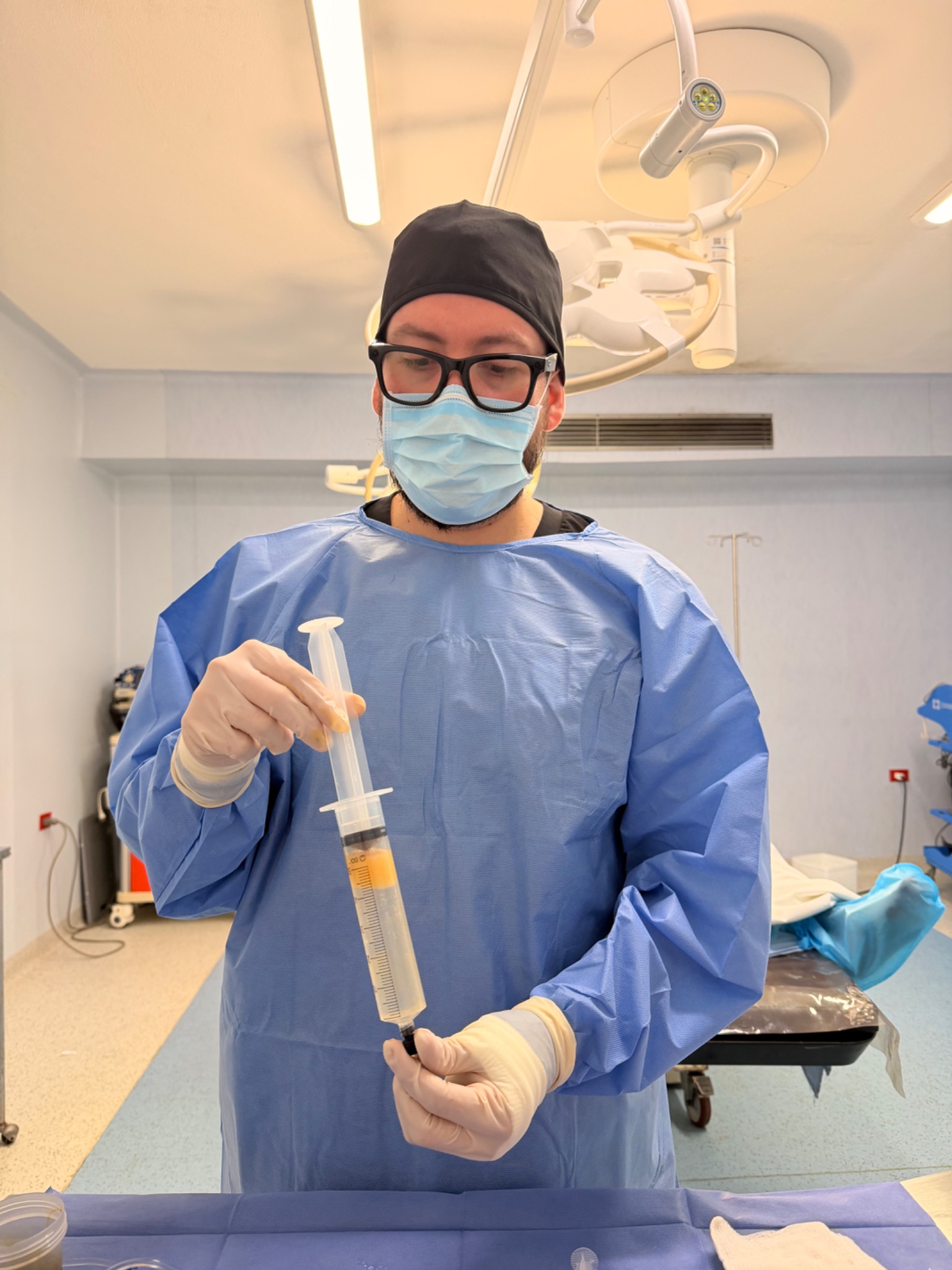
- Mechanical processing: the collected tissue is processed during the same procedure using a closed, sterile microfragmentation system without enzymatic digestion.
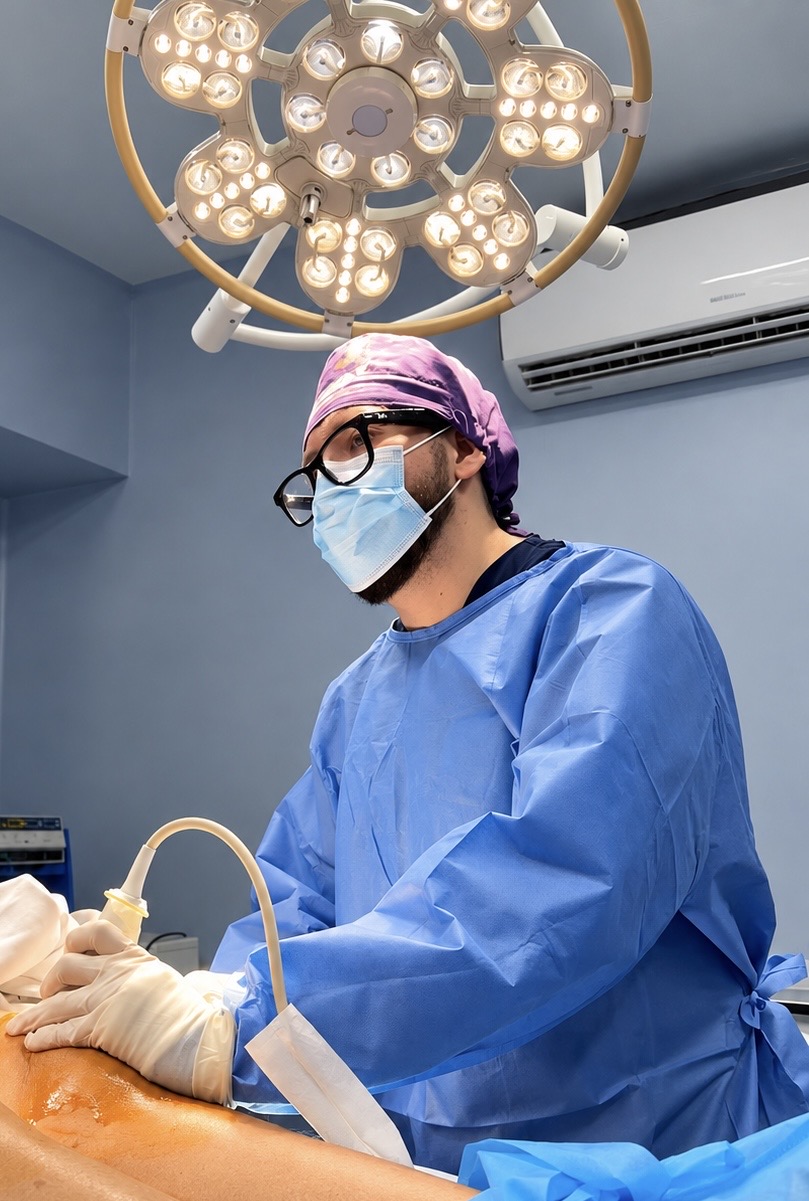
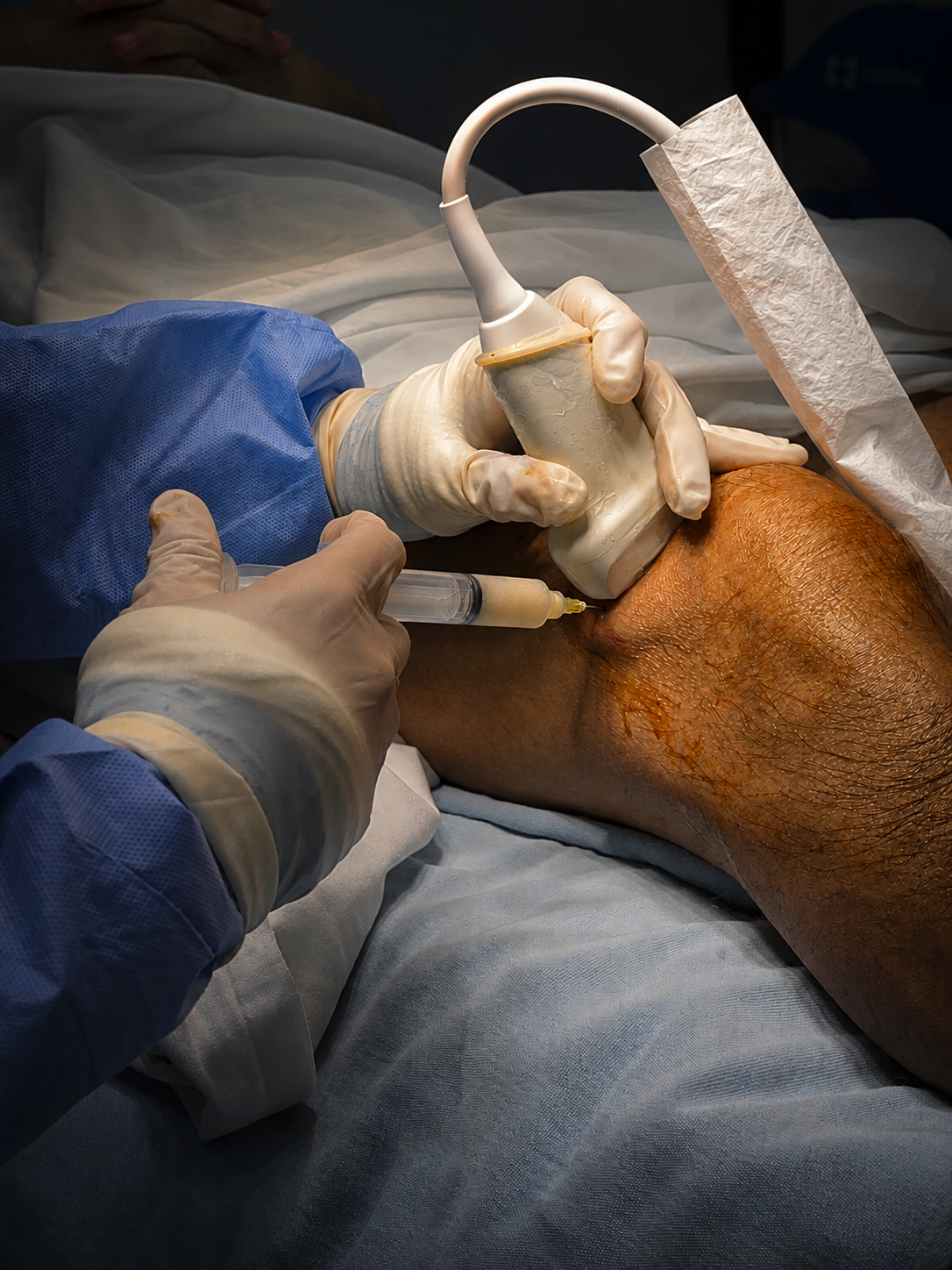
- Guided injection: microfat is administered into the selected joint or tissue under ultrasound guidance to visualize the area and guide the needle.
Process features
- Outpatient procedure: patients can usually return home the same day. Duration and discharge depend on the individual case.
- Recovery and results: benefits and recovery time depend on the diagnosis, injury characteristics and individual response to treatment.