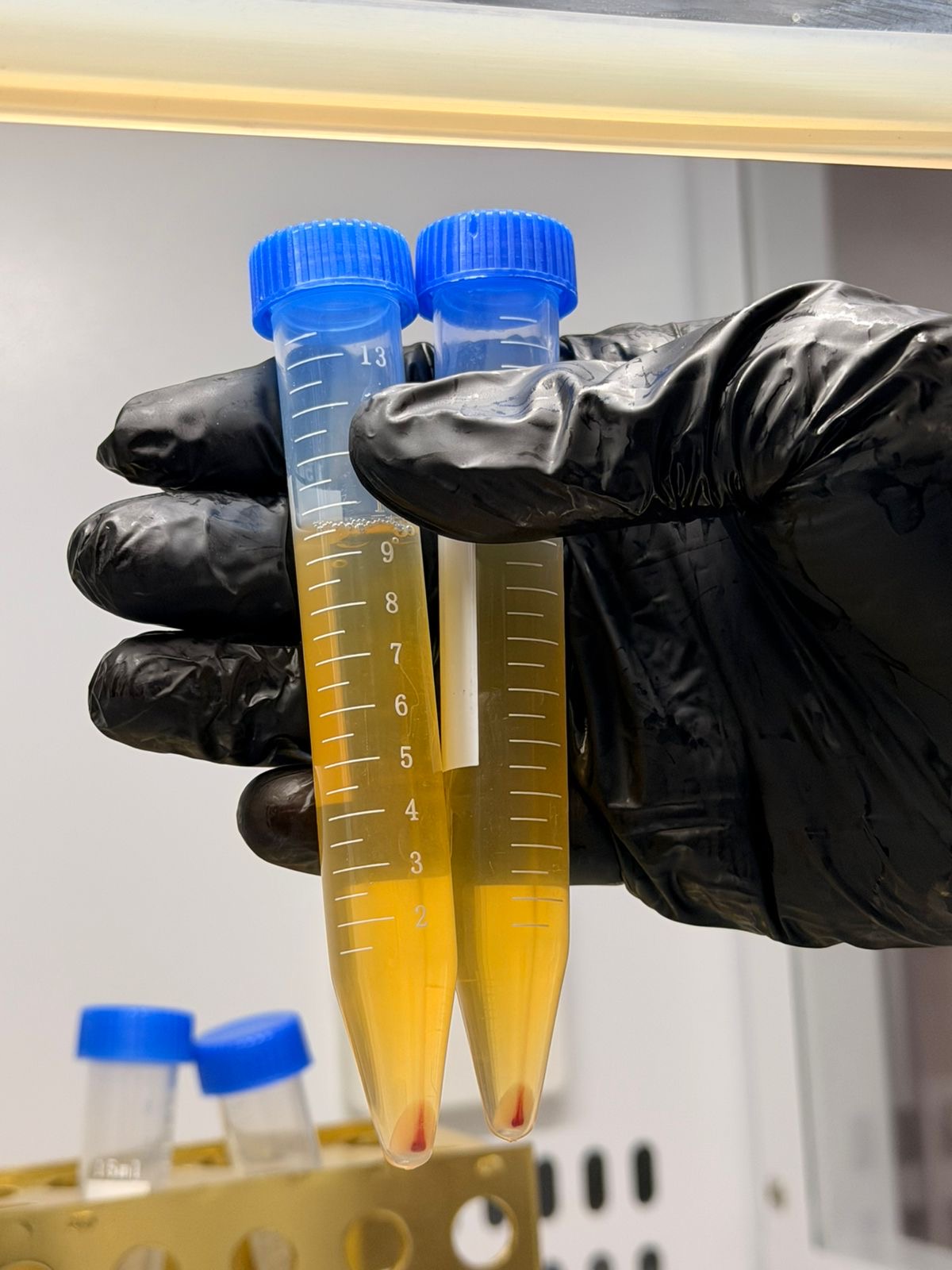
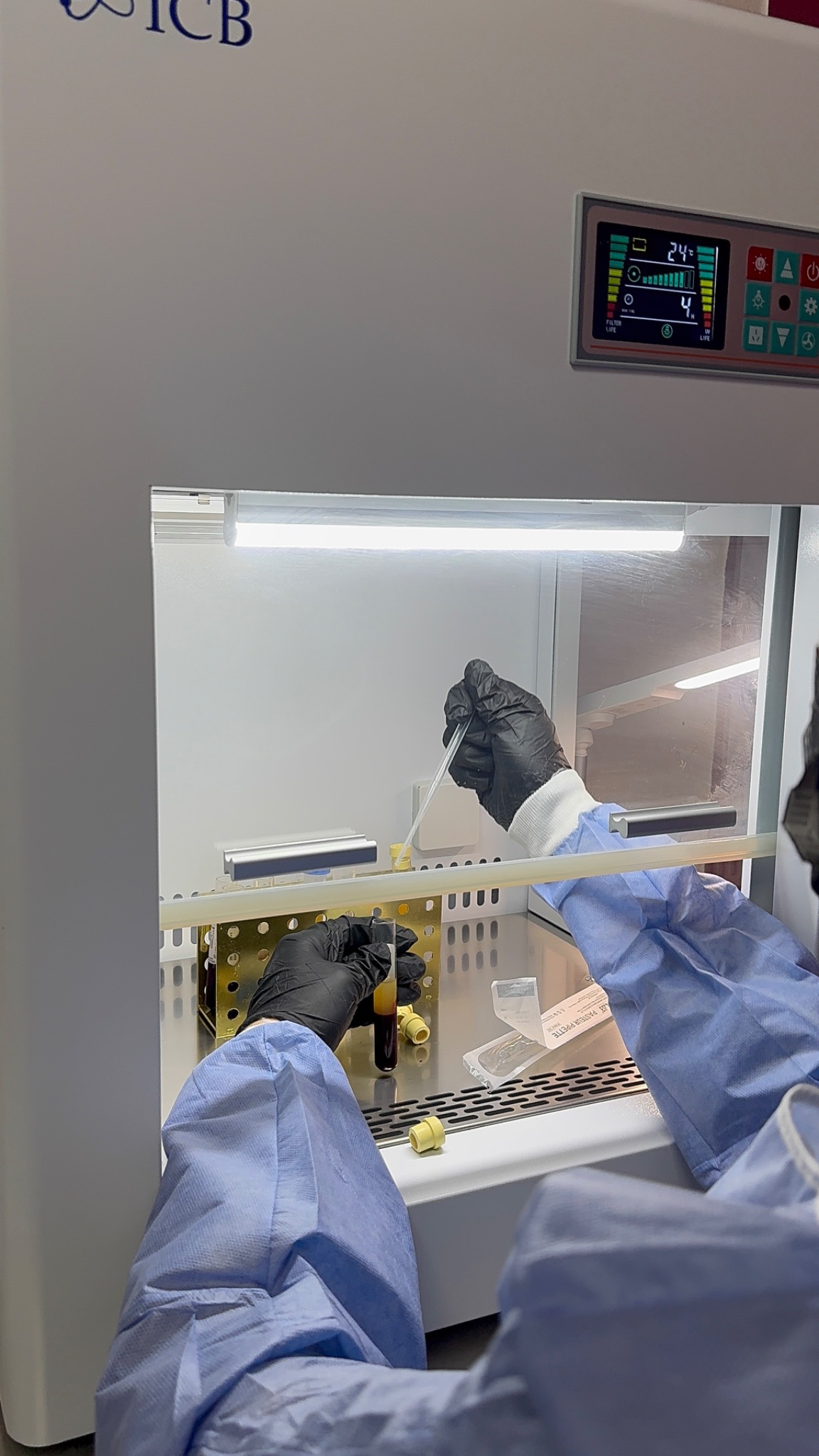
Hyperconcentrated PRP is an orthobiological treatment prepared with a high concentration of platelets, which release growth factors and other molecules involved in tissue repair and modulation of inflammation. Its composition depends on the processing system; concentration and dose are selected according to the tissue and treatment goal.
What is it used for?
- Knee osteoarthritis: it may help reduce pain and improve function, especially in selected patients with mild to moderate joint wear.
- Chronic tendinopathies: it may be considered for certain persistent tendon injuries, such as lateral epicondylalgia or “tennis elbow.”
- Sports injuries: it may be considered as an additional option for some musculoskeletal conditions. Its usefulness depends on the diagnosis and type of injury.
- Rehabilitation: it is combined with therapeutic exercise and progressive loading to support functional recovery.
How is the procedure performed?
- Blood draw: a sample is collected from the patient.
- Processing: centrifugation separates and concentrates platelets, preparing the product for administration.
- Ultrasound-guided administration: ultrasound allows the clinician to visualize the tissue and guide the needle to the selected area.
It is usually performed as an outpatient procedure. The number of treatments depends on the diagnosis and progress.
Recovery and results
Temporary discomfort or swelling may occur after treatment. Activity and loading are adjusted to the treated tissue and rehabilitation program.
Benefits and recovery time depend on the diagnosis, injury characteristics and individual response to treatment. Improvement may develop gradually over the following weeks and months.